Dog Boarding in Maryland: The No-Crate Standard
Mike and Colleen Bass
Overnight Dog Boarding

Key Takeaways
No-crate boarding means dogs sleep on furniture, move freely through a host home, and spend overnight hours in a living space instead of a kennel.
Pup Scouts' Maryland overnight boarding places every dog with a Pack Leader's family for the duration of the stay, not in a facility.
Host-home nights eliminate confinement stress and replicate the rhythm your dog already knows at home.
A dog arrives at a Severna Park home around 5 p.m. The Pack Leader who walked her twice this week opens the door. She steps inside without hesitation. No lobby. No intake desk. No rows of enclosures. She walks to the water bowl in the kitchen, drinks, and settles onto the couch in the living room while the Pack Leader finishes dinner prep. This is what overnight boarding looks like when you remove the kennel.
Most boarding facilities operate on a kennel model: dogs sleep in crates or runs, get walked on a schedule, and spend the majority of time confined. Pup Scouts' overnight boarding in Maryland runs on a different standard. Every overnight stay happens in a Pack Leader's home. Dogs sleep where the family sleeps. They move through rooms. They follow the household routine. No wire. No enclosures. No holding areas.
What No-Crate Boarding Means
No-crate boarding is an overnight care model where dogs stay in a home environment without confinement, used to eliminate kennel stress and replicate the structure dogs already know. The dog sleeps on furniture, has access to multiple rooms, and lives alongside the host family for the duration of the stay. At Pup Scouts, this happens in the home of a certified Pack Leader who already knows the dog from prior walks or training sessions.
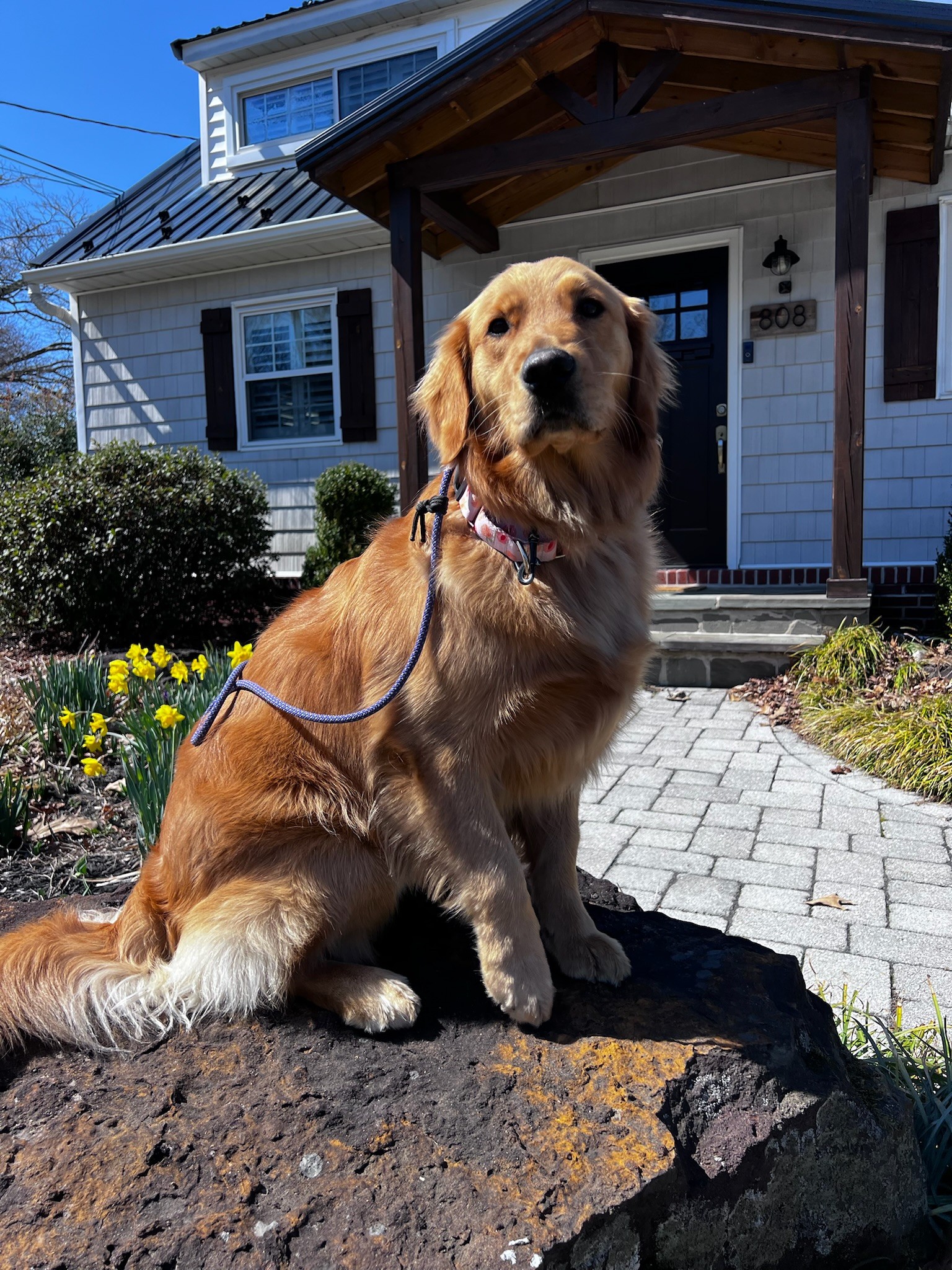
Our guests enjoy freedom and comfort during dog boarding in Maryland, without the stress of confined spaces.
Why We Don't Use Crates or Kennels
Kennels solve a logistics problem for facilities: more dogs per square foot, simpler cleaning protocols, contained overnight hours. But confinement creates behavioral ripple effects most owners don't see until pickup. A dog who sleeps crated for five nights often returns home wound tighter. The pacing starts. The whining intensifies. Some dogs refuse food for the first 24 hours home. These are stress markers, not quirks.
Host-home boarding removes the confinement variable. Your dog isn't adjusting to a new space and a new enclosure. She's adjusting to a new space only. The Pack Leader she's staying with has walked her before. She's already practiced neutral passing in that living room during the pre-boarding visit. The environment is calm because the structure mirrors home.
We also see what happens when confinement isn't an option. Dogs settle faster. Reactivity thresholds stay stable. Appetite holds. The return-home transition shortens from days to hours. This consistency matters for anxious dogs, senior dogs, and any dog whose behavior hinges on routine.
What a Host-Home Night Looks Like
The table below compares a kennel-model night to a Pup Scouts host-home night, hour by hour.
Time | Kennel-model facility | Pup Scouts host home |
|---|---|---|
5 to 7 p.m. | Dog in run or crate; staff rotates feeding | Dog arrives, settles into living room, eats dinner on the host's schedule |
7 to 9 p.m. | Crated or in run; some facilities offer group play | Free movement through home; casual interaction with host family |
9 p.m., 7 a.m. | Crated overnight in kennel building | Sleeps on couch, dog bed, or bedroom floor depending on household norms |
7 to 9 a.m. | Morning potty break in yard or run | Wakes with household, goes out to yard, breakfast |
The host-home model removes the waiting. Your dog isn't watching other dogs get walked while she waits in a crate. She's not listening to barking echo through a concrete building. The sensory load drops.
The Five Stages of a Multi-Night Stay
Host-home boarding unfolds in stages. Each stage shifts your dog's behavior slightly as she adapts to the new household rhythm.
Arrival and scent mapping. The first 30 minutes, your dog walks the perimeter of the home. She sniffs doorways, checks corners, marks familiar scents from the Pack Leader. This is normal orientation behavior. The Pack Leader lets her map the space without interference.
First overnight. Night one, most dogs sleep lightly. They wake when the household shifts. By morning, they've logged the household's sleep rhythm and start syncing to it.
Routine lock-in. By day two, the dog anticipates meal times, yard breaks, and evening wind-down. Behavior stabilizes. Whining drops. She stops checking the door for your return.
Full household integration. Day three through end of stay, the dog acts like a resident. She knows which couch is hers. She waits by the door when the Pack Leader grabs keys. The stress markers from day one are gone.
Pickup transition. When you arrive, expect a short re-orientation period. Some dogs ignore you for the first five minutes, then flip to full excitement. This is normal. The transition back to your household routine takes a few hours, not days.
🖼️ Inline photo: placeholder. Drag in a dog resting on a living room floor near a Pack Leader photo from bunny.net.
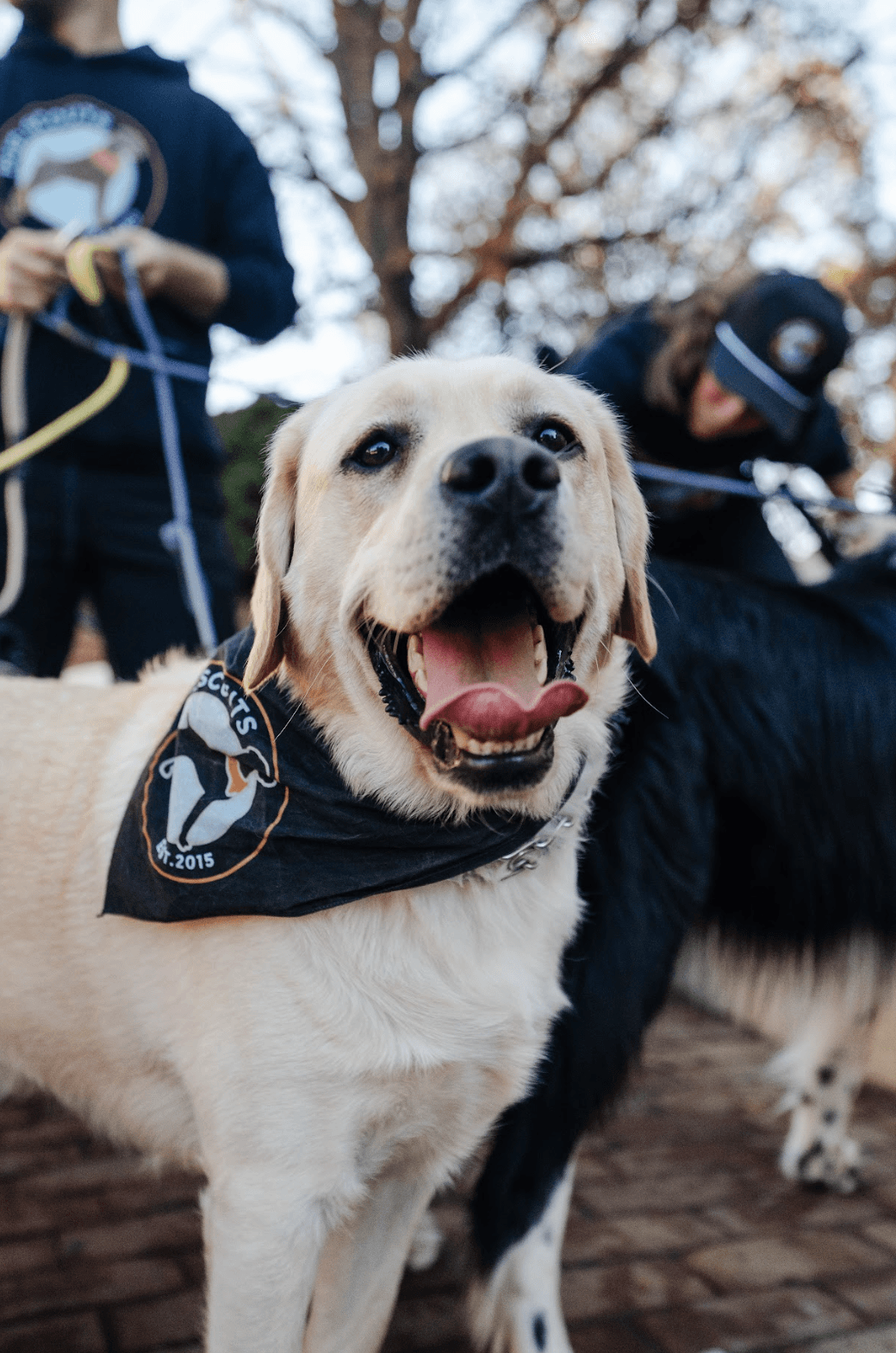
Each dog's personality helps us match them with the right host home for their overnight stay.
How We Match Dogs to Host Homes
Not every dog goes to the same Pack Leader's home. Matching happens based on temperament, energy level, and any known behavior triggers. A high-energy adolescent Labrador doesn't board with the same household hosting a 12-year-old spaniel recovering from surgery.
The match process starts at the pre-boarding assessment. The Pack Leader meets your dog at your home, observes how she handles transitions, checks for resource guarding around food and space, and notes any separation anxiety markers. That visit determines which host home gets the booking.
Multi-dog households require tighter matching. If your dog has a history of reactivity toward other dogs, she boards solo with a Pack Leader who doesn't have resident dogs. If she's social and calm around other animals, she might board alongside one or two other client dogs in a home that supports group dynamics.
The goal is zero conflict. A well-matched stay means your dog spends the nights calm, not managing stress triggers.
🖼️ Inline photo: placeholder. Drag in a calm dog in a home kitchen setting photo from bunny.net.
Why This Standard Works in Maryland Specifically
Maryland's suburban density makes host-home boarding logistically practical. Anne Arundel, Howard, Baltimore, and Montgomery Counties have established residential neighborhoods where Pack Leaders live within 15 minutes of most client homes. Drop-off and pickup don't require highway drives. Your dog boards five miles from your house, not across the county.
The model also fits the way Maryland families use boarding. Most stays run three to five nights, not two weeks. Families leave for long weekends, work trips, or short vacations. A host home handles that duration without the operational overhead of a facility. The Pack Leader isn't managing 20 dogs. She's managing one or two, in her own living room, using the same protocols she applies during walks.
We've placed dogs in Glen Burnie rowhouses, Ellicott City split-levels, and Bethesda colonials. The architecture doesn't matter. The household routine does.
From Kennel Anxiety to Calm Nights
A dog who paces in a crate doesn't pace because she dislikes the crate. She paces because the crate is where the stress lives. Remove the crate, place her in a living room with a familiar handler, and the pacing stops. That shift isn't training. It's environmental design.
Host-home boarding works because it eliminates the variables that spike stress: confinement, unfamiliar handlers rotating shifts, and sensory overload from other dogs. Your dog gets one home, one routine, one Pack Leader. The consistency holds her behavior steady, and you pick her up in the same state you dropped her off.
Frequently Asked Questions
What happens if my dog has an accident in the host home?
Pack Leaders are prepared for this. Accidents get cleaned immediately using enzymatic cleaners. If your dog has a known bathroom schedule, you share that during the pre-boarding assessment, and the Pack Leader mirrors it. Most accidents happen in the first 12 hours as the dog adjusts to the new space.
Can my dog board if she's never been crate-trained?
Yes. Host-home boarding doesn't require prior crate experience. In fact, dogs who have never been crated often adjust faster because they're not expecting confinement.
Does my dog interact with the Pack Leader's family during the stay?
Yes, within the household's normal routine. If the family has kids, your dog will encounter them during meal times and evening hours. If that's a concern, we match your dog with a Pack Leader who lives alone or in an adults-only household.
How do you handle separation anxiety during overnight boarding?
Separation anxiety from the owner often decreases in a host-home environment because the dog isn't isolated. She's in a living room with people moving through the space. The Pack Leader also uses the same calming protocols applied during walks: structured routines, predictable schedules, and low-stimulation environments.
What if my dog doesn't settle the first night?
Some dogs take 24 hours to decompress. The Pack Leader monitors for stress markers (pacing, whining, refusal to eat) and adjusts the environment as needed. If the behavior persists past day two, the Pack Leader contacts you to discuss early pickup or a modified approach.
Written by Mike and Colleen Bass, founders of Pup Scouts. Mike and Colleen have led structured dog care across Maryland, Orange County, and Charlotte since 2015. More about our team.
Get started with MD Pup Scouts, or call (410) 980-7855. Find us on Google as MD Pup Scouts.
Similar Blogs


