Dog Boarding Orange County: The Host-Home Standard
Mike and Colleen Bass
Overnight Dog Boarding

Key Takeaways
Overnight boarding with Pup Scouts in Orange County means your dog stays inside a vetted Pack Leader's home, never in a kennel run, following the same eating and sleeping schedule your dog already knows.
Every stay includes structured walks and enrichment matched to your dog's energy level, plus updates so you know how the stay is going while you're away.
Orange County families booking around fall travel and Thanksgiving should reserve a host home at least three to four weeks out, since host-home capacity is limited compared to a traditional kennel.
Late October in Orange County brings the same scramble every year. Flights get booked for Thanksgiving before anyone thinks about the dog. Then the search starts: a kennel with an opening, a neighbor willing to check in twice a day, a sitter who can commit to a full week. Most of it comes down to one worry. Will the dog just be contained somewhere, or will someone actually care for him the way the family does at home.
Overnight boarding with Pup Scouts in Orange County is care inside a vetted Pack Leader's home, not a stay in a kennel run. Your dog eats on the schedule you already use, sleeps somewhere comfortable instead of a crate bank, and goes on structured walks built around enrichment, not just a bathroom break in a concrete yard. The family gets updates during the stay, so the trip doesn't come with a week of wondering.
This is the standard for every Overnight Boarding stay Pup Scouts places across Orange County, from Huntington Beach down to San Clemente. It isn't a premium upgrade on top of boarding. It's what boarding means here.
Learn more about overnight boarding in Orange County.
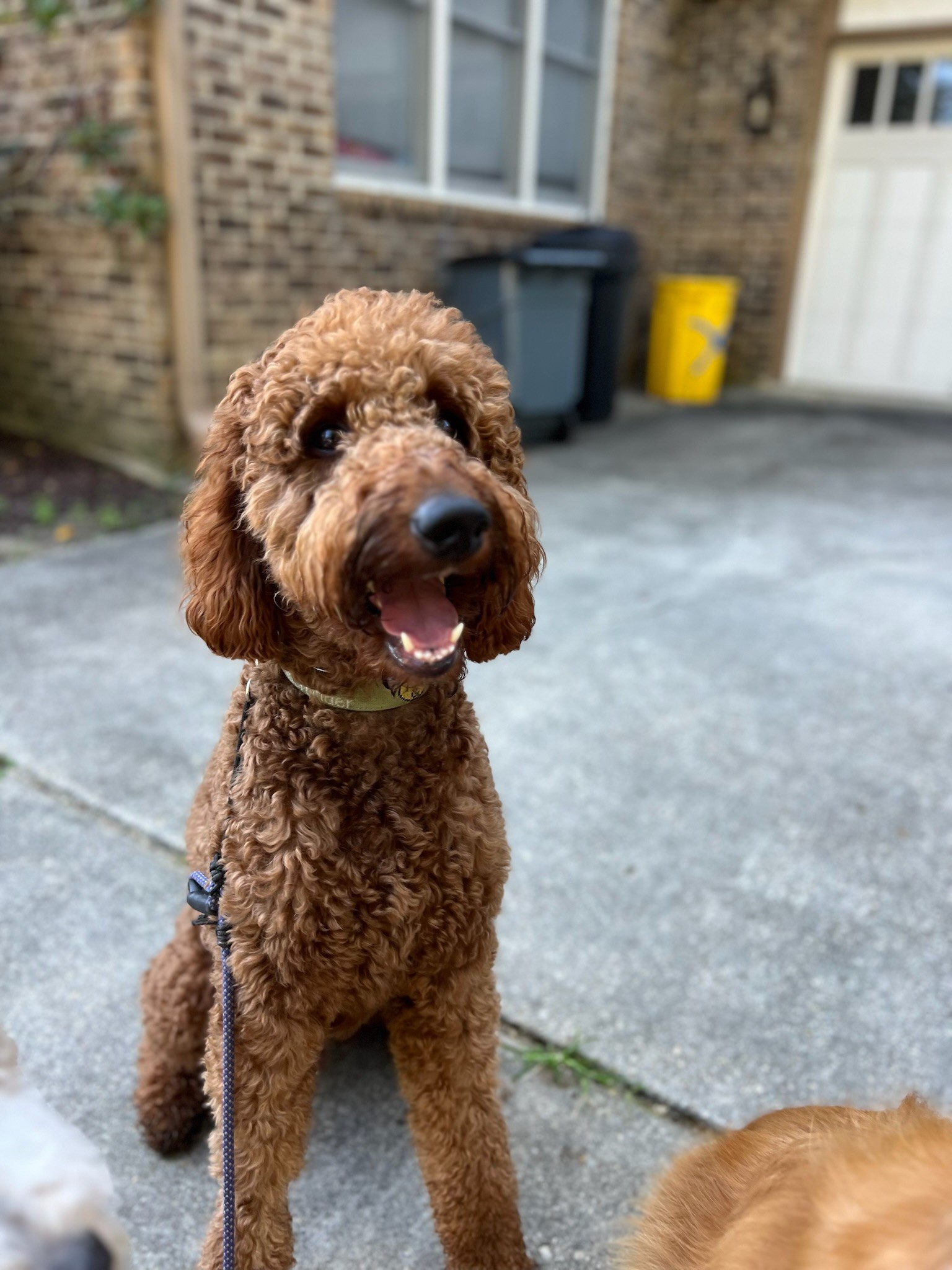
A content pup enjoys time in a host home setting, where boarding feels like visiting a trusted friend's house.
What Host-Home Boarding Actually Means
Host-home boarding places your dog inside a Pack Leader's actual house for the length of your trip. There's no kennel run, no bank of crates, and no rotating staff. One vetted Pack Leader hosts your dog, in a home already checked for a secure yard, safe layout, and temperament fit with any other dogs in the household.
Your dog follows the routine the household already runs. Meals happen at the times you note on intake, not on a facility's feeding block. Sleep happens somewhere the dog can settle, whether that's a dog bed in the living room or a crate the dog already uses at home. The daily rhythm mirrors what your dog knows, inside a home instead of a facility.
How Is a Host Home Different From a Kennel?
A kennel houses dogs in individual runs or crate banks, often with rotating staff and a set schedule for group turnout. A host home places one dog, or a small, temperament-matched group, inside an actual residence with one consistent caregiver present. The difference isn't just comfort. It's supervision. A kennel manages dozens of dogs across shifts. A host home has one Pack Leader who knows the specific dog staying that week, including feeding quirks, anxiety triggers, and exercise needs.
Dogs that struggle in a kennel environment, whether from noise, close proximity to unfamiliar dogs, or the stress of a concrete run, often settle faster in a home. The dog isn't part of a group rotation. The dog is a guest in a house, on a routine that resembles the one waiting at home.
What a Host-Home Boarding Stay Includes Day to Day
Every Overnight Boarding stay follows the same daily structure, regardless of which Orange County neighborhood the host home is in. Mornings start with a structured walk, sized to the dog's energy level rather than a fixed facility schedule. Meals happen on the timing the family provided at intake, using the food the family sent along. Midday and evening bring additional structured walks or supervised yard time, plus enrichment: a stuffed toy, a scent game, or a short training refresher.
Overnight, the dog sleeps inside the home, not in a facility with no one present after hours. The Pack Leader sends updates during the stay, typically a photo or short note, so the family sees the dog resting on the couch instead of wondering what a kennel webcam might be showing. A host-home stay is built around one dog's actual routine, not a facility's group schedule.
What to Expect Based on Your Dog's Profile
Not every dog needs the same thing from a boarding stay. Here's how host-home placement adjusts by dog profile.
Dog profile | What their stay looks like | What we watch for |
|---|---|---|
High-energy dog | Longer structured walks, added enrichment games, host home with yard access | Whether extra activity is needed midday to prevent restlessness |
Senior dog | Shorter, gentler walks, familiar bedding, quieter host home with fewer other dogs | Mobility, medication timing, and appetite changes |
First-time boarder | Slower introduction, extra settling time on arrival, frequent updates to the family | Signs of stress in the first 24 to 48 hours |
Bonded pair (two dogs from the same home) | Boarded together in the same host home when possible | How the pair behaves without the rest of the household present |
The profile determines the pace of the stay, not the standard behind it. Every dog, regardless of profile, stays in a home and follows a routine built around that dog specifically.
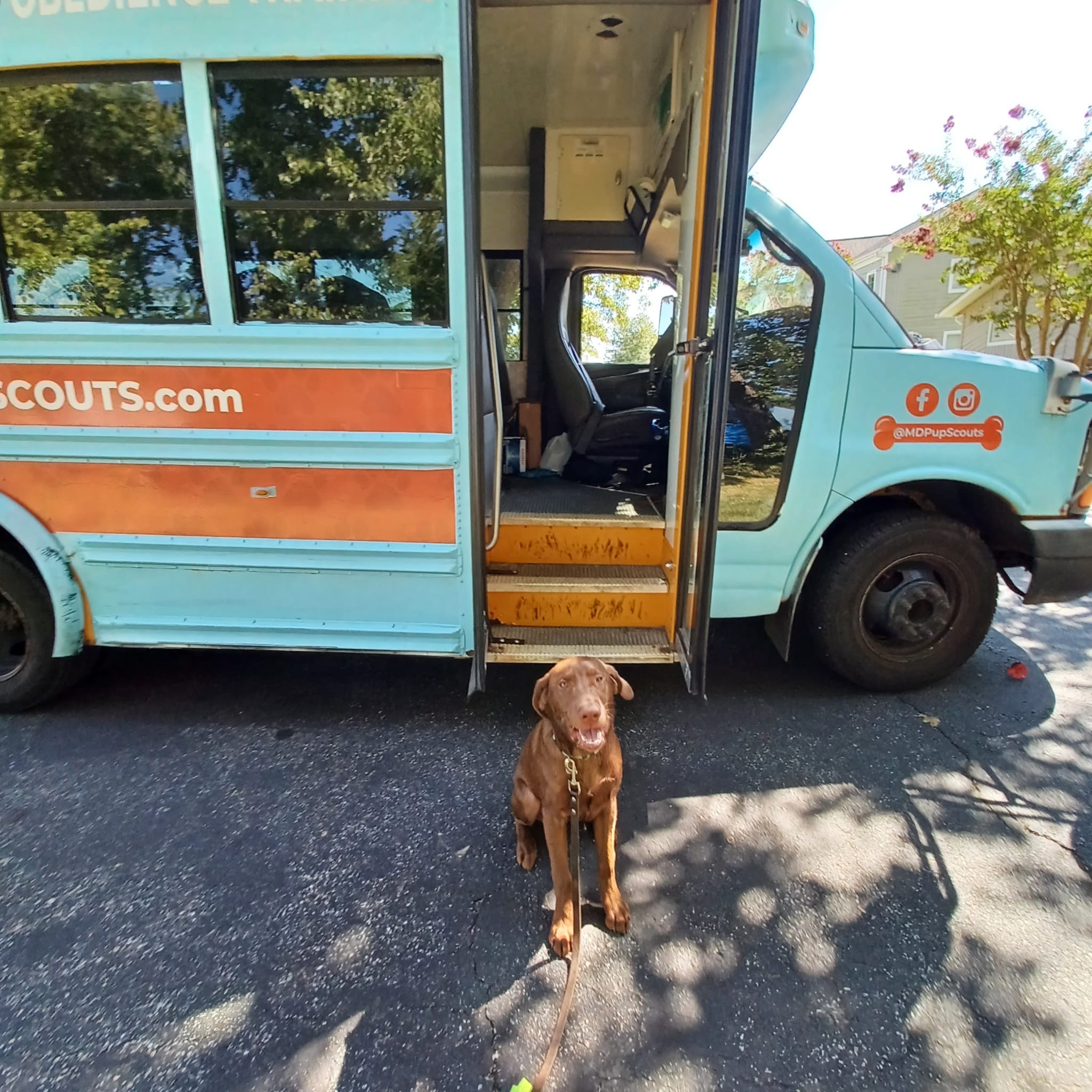
Every dog finds their perfect match through our thoughtful host-home pairing process.
How We Match Your Dog to a Host Home
Placement isn't random. Every Overnight Boarding stay in Orange County follows the same matching sequence before a dog ever arrives.
Complete the boarding intake. The family provides feeding schedule, medications, temperament notes, and anything the dog needs to settle, from a favorite blanket to a specific walking pace.
Match to a vetted host home. The Pack Leader assigned is chosen based on the dog's size, energy level, and whether the household has other dogs or pets that need to be compatible.
Confirm the fit before travel day. For dogs boarding for the first time or dogs with specific needs, a short meet-and-greet happens ahead of the stay so the dog isn't meeting the Pack Leader for the first time on drop-off day.
Move in and settle on schedule. The dog arrives with its own food, bedding, and any medications, and starts the household's routine immediately rather than adjusting to a new facility schedule.
Send updates through the stay. The family receives photos or short notes during the trip, so the stay isn't a blackout period between drop-off and pickup.
Booking Host-Home Boarding Ahead of Fall and Holiday Travel
Fall is when Orange County boarding requests spike. Families flying out of John Wayne Airport for Thanksgiving, or driving up the coast for a long weekend, tend to book boarding at the same time they book flights, often just a few weeks out. Host homes have less capacity than a kennel by design. A single Pack Leader typically hosts one dog or one compatible pair at a time, so popular weeks fill faster than a facility with dozens of runs.
Booking three to four weeks ahead of Thanksgiving, and earlier for the week between Christmas and New Year's, gives the best chance of a host home that fits your dog's profile rather than whichever spot is open. Families across Newport Beach, Irvine, Costa Mesa, Laguna Beach, and Dana Point run into the same seasonal crunch every year.
From Kennel Worry to a Routine Your Dog Already Knows
The family that used to check a kennel webcam all week now gets a photo of their dog stretched out on a couch, mid-nap, in a house instead of a run. The dog isn't managed through a shift schedule. The dog is a guest in a home, eating on the same clock, walking on a route sized to its energy, and sleeping somewhere it can actually settle. That's the standard whether the trip is a weekend getaway or two weeks over the holidays.
For more on choosing between boarding and other care options, see common misconceptions about dog boarding in Orange County and what to check before hiring a dog walker in Orange County.
Frequently Asked Questions
What is the difference between overnight boarding and a kennel stay?
Overnight boarding places your dog inside a vetted Pack Leader's home, following your dog's own eating and sleeping routine. A kennel stay houses dogs in individual runs or crate banks with rotating staff and a facility-wide schedule. Host-home boarding is built around one dog's routine instead of a group's.
How far in advance should I book overnight boarding for Thanksgiving or the December holidays?
Book at least three to four weeks ahead of Thanksgiving and even earlier for the week between Christmas and New Year's. Orange County host homes have limited capacity compared to a kennel, since one Pack Leader typically hosts one dog or one compatible pair at a time. Early booking gives your dog the best match for its profile.
Will my dog get exercise during an overnight boarding stay?
Yes. Every stay includes structured walks sized to your dog's energy level, along with enrichment like scent games or a short training refresher. A high-energy dog gets longer walks and more activity than a senior dog who needs a gentler pace, but every dog gets daily structured movement.
Can two dogs from the same household board together?
Yes, when possible. Bonded pairs are placed in the same host home together rather than split up, so the dogs have each other during the stay even without the rest of the household present.
How will I know how my dog is doing while I'm away?
The assigned Pack Leader sends updates during the stay, typically a photo or short note showing how your dog is settling in. You're not left guessing between drop-off and pickup, and any concerns get flagged to you directly rather than waiting until you're home.
Written by Mike and Colleen Bass, founders of Pup Scouts. Mike and Colleen have led structured dog care across Maryland, Orange County, and Charlotte since 2015. More about our team.
Planning fall or holiday travel? Reach out and we'll match your dog with a vetted host home in Orange County before the season books up.
Get started with OC Pup Scouts, or call (949) 629-0932. Find us on Google as OC Pup Scouts.
Similar Blogs


