Dog Boarding vs Pet Sitter in Orange County
Mike and Colleen Bass
Overnight Dog Boarding

Key Takeaways
In-home dog boarding places your dog in a host household with full-time supervision and structured routine, while pet sitters visit your home for feeding and potty breaks on a schedule you set.
Boarding suits dogs who benefit from constant companionship and clear structure, while pet sitting works for independent dogs comfortable alone between visits.
Orange County families choose between the two based on separation anxiety levels, socialization needs, routine sensitivity, and trip length.
You are leaving for a week. Your dog needs care. Two options sit in front of you: in-home dog boarding or hiring a pet sitter to visit your house. Both keep your dog out of a kennel. Both promise individual attention. The question is which model fits your specific dog and your specific trip.
Orange County pet parents face this decision often. Beach weekends in San Clemente. Family visits to San Diego. Work trips to the Bay Area. The choice hinges on how your dog handles alone time, what daily structure they need, and whether they thrive with other dogs or prefer solitude.
We offer overnight dog boarding across Orange County in carefully selected host homes. Clients ask us this question regularly. Here is the framework we walk them through.
What In-Home Boarding and Pet Sitting Actually Mean
In-home dog boarding is overnight care in a host household where your dog stays for the duration of your trip. A trained caregiver supervises full-time. Your dog sleeps there, eats there, and follows the household routine. In Orange County, most in-home boarding operates as host-home networks where families open their homes to one or two guest dogs at a time. The model is structured, supervised, and built around routine consistency.
Pet sitting is drop-in care at your home. A sitter visits on a schedule you define, typically two to four times per day, to feed, water, and walk your dog. Between visits, your dog is alone. The sitter does not stay overnight unless you hire extended-hours sitting, which raises cost significantly.
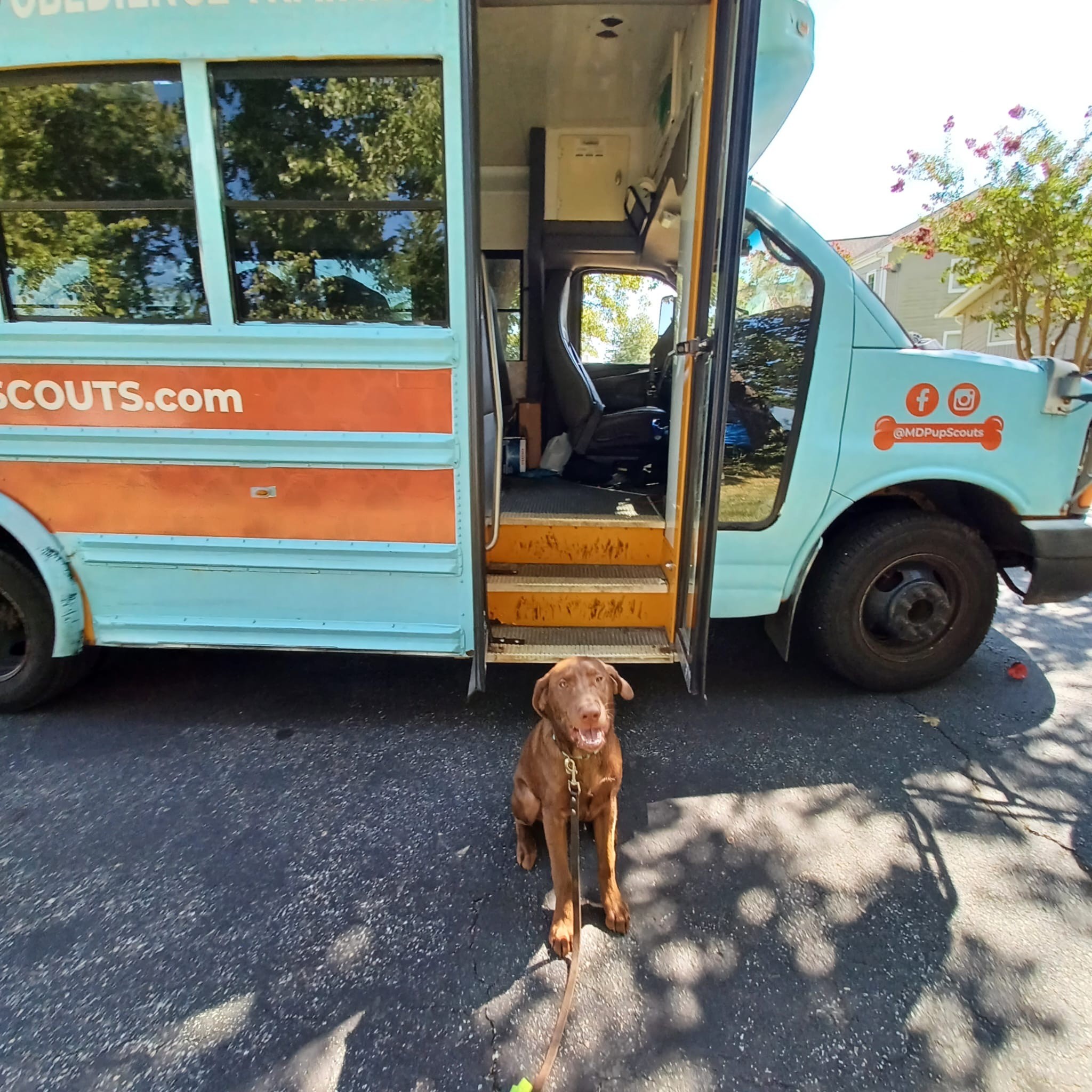
Your dog's boarding experience depends on several key variables, starting with the facility and care standards that matter most to your pup.
The Five Variables That Matter
The decision comes down to five factors. Each one shifts the fit.
Supervision level. In-home boarding provides continuous presence. Someone is in the house. If your dog shows separation anxiety, destroys items when alone, or becomes stressed in isolation, boarding delivers the oversight pet sitting cannot match. Pet sitting leaves your dog alone for stretches of four to twelve hours depending on visit frequency. Independent dogs handle this well. Anxious dogs do not.
Routine structure. Boarding builds your dog into the host household routine. Meals happen at set times. Potty breaks follow a rhythm. Downtime and activity balance predictably. Pet sitting keeps your dog in your home but cannot replicate your full daily presence. The sitter arrives, completes tasks, and leaves. Routine-sensitive dogs, especially puppies, seniors, and dogs with medical needs, often respond better to boarding's built-in structure.
Socialization opportunities. If the host household has calm, well-matched dogs, boarding introduces safe social time. Your dog learns to coexist, share space, and navigate group dynamics. Pet sitting keeps your dog solo. For dogs who benefit from canine companionship, boarding offers an advantage. For dogs who prefer solitude or show reactivity, solo time at home may suit better.
Cost differences. Pet sitting typically costs less per day than in-home boarding. Two daily visits range from forty to sixty dollars in Orange County. Boarding ranges from sixty to ninety dollars per night depending on the provider and the level of care. Longer trips narrow the cost gap because sitting requires more visits.
Home security. Pet sitting keeps someone checking your property daily. Mail gets collected. Lights rotate. The house looks occupied. Boarding leaves your home empty unless you arrange separate security. Some families pair boarding with a house sitter for this reason.
Comparison Table: Boarding vs Pet Sitting
Here is how the two models stack up across the variables Orange County families prioritize.
Factor | In-Home Boarding | Pet Sitting |
|---|---|---|
Supervision | Full-time presence; caregiver in the home continuously | Drop-in visits; dog alone between scheduled times |
Routine consistency | Structured daily rhythm with meals, breaks, and downtime at set intervals | Visits at scheduled times; dog manages time alone independently |
Socialization | Possible if host home has temperament-matched dogs; optional solo placement | None; dog stays alone unless you have other pets at home |
Cost (7-day trip) | $420, $630 total for the week | $280, $420 for twice-daily visits; $490, $700 for four visits per day |
Best for | Dogs with separation anxiety, puppies, seniors needing oversight, dogs who thrive with routine | Independent adult dogs comfortable alone, cats, multi-pet households where pets stay together |
The table shows overlap at the four-visit sitting level. Cost becomes comparable. At that point, the decision rests on whether your dog benefits from continuous presence or prefers familiar space.
How to Decide: Match the Model to Your Dog
Walk through these scenarios. One will match your situation closely.
Your dog shows separation anxiety or destructive behavior when alone. Choose in-home boarding. Continuous supervision prevents stress spirals and keeps your dog safe. Pet sitting cannot provide the presence level an anxious dog needs.
Your dog is independent, crate-trained, and calm for stretches of six to eight hours. Pet sitting works. Two visits per day cover feeding, potty, and a short walk. Your dog gets to stay in familiar space without the adjustment to a new environment.
Your dog is a puppy under six months or a senior with medical needs. Choose boarding. Puppies need frequent potty breaks, meal monitoring, and redirection from chewing. Seniors with medication schedules or mobility issues benefit from someone present to respond immediately if issues arise. Pet sitting cannot match the oversight frequency these dogs require.
Your dog is reactive to other dogs or prefers solitude. Pet sitting keeps your dog in a controlled, predictable environment without introducing new canine housemates. Some in-home boarding providers offer solo placements, but pet sitting eliminates the variable entirely.
You are traveling for more than ten days. Boarding becomes easier logistically. Long trips require many sitter visits. Coordination increases. Boarding consolidates care under one roof with one point of contact.
You want someone physically present in your home for security. Pet sitting delivers daily property checks. If home security weighs heavily, combine pet sitting with a house sitter or choose a sitting service that offers overnight stays as an add-on.
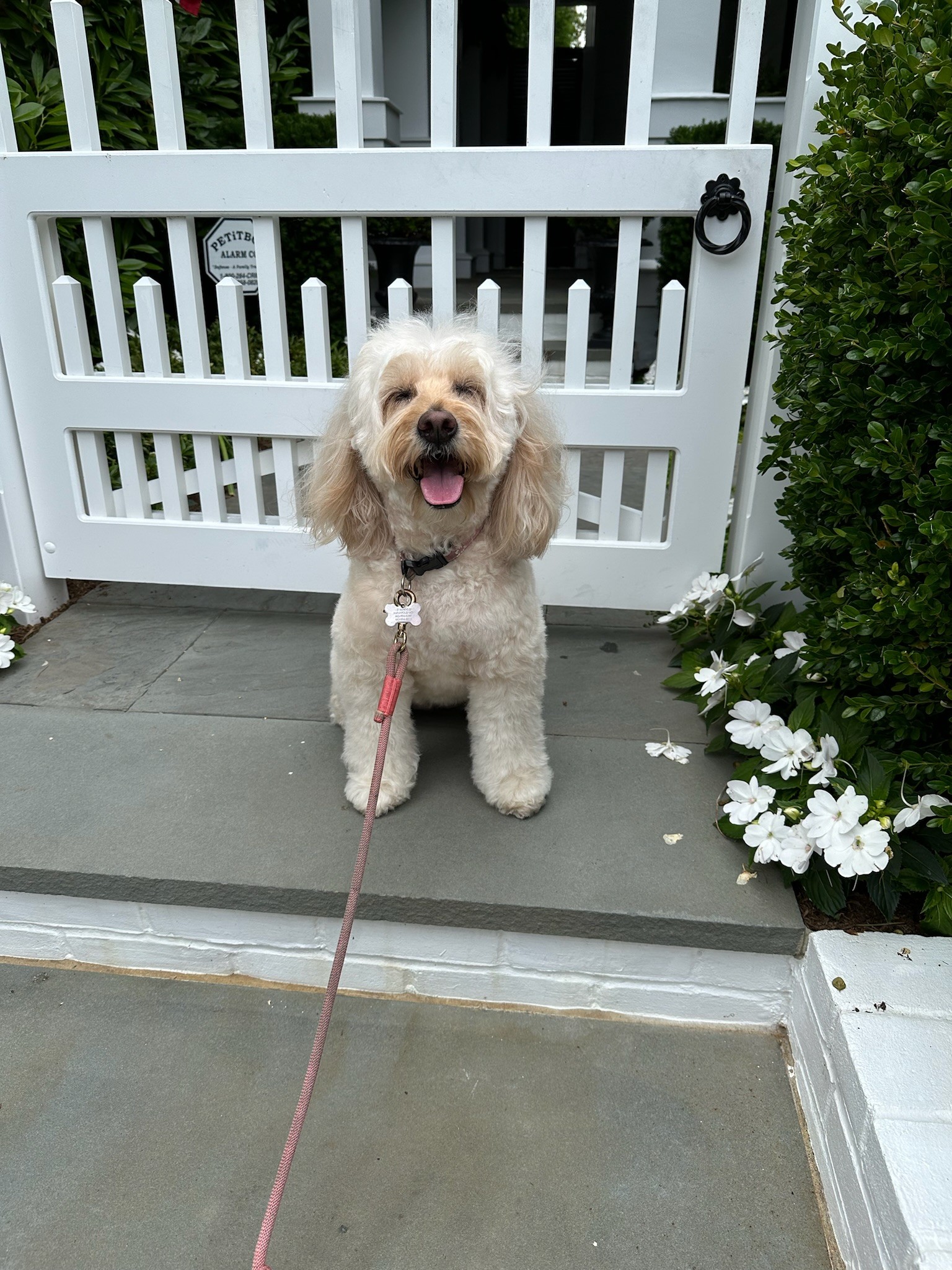
Many Orange County families discover that boarding provides the structured care and socialization their dogs thrive on during their time away.
What Orange County Families Actually Choose
In Costa Mesa, Irvine, and Laguna Niguel, we see split patterns. Families with young dogs or dogs new to the household lean toward boarding. The structure helps. Families with older, established dogs who have stayed home alone before often choose sitting. Routine matters more than novelty.
Beach-adjacent neighborhoods like Huntington Beach and Newport Beach show higher sitting rates. Dogs already accustomed to alone time while owners surf or work long beach days transition easily to sitter-based care. Inland communities like Yorba Linda and Anaheim Hills trend toward boarding. Families value the companionship component.
Trip length shifts the choice too. Weekend getaways to Palm Springs or San Diego often use sitters. Two to three days feels manageable with twice-daily visits. Week-long or longer trips to Europe, the East Coast, or international destinations see boarding rates climb. The continuity appeal grows as trip duration extends.
What Happens During the Transition
Both models require an adjustment period. In-home boarding works best when the dog meets the host household before the trip. A one-hour meet-and-greet lets the dog explore the space, meet any resident dogs, and acclimate to the caregiver. Expect a settling-in window of twelve to twenty-four hours. Some dogs relax immediately. Others take a day to map routines and build trust.
Pet sitting relies on pre-trip visits too. The sitter should meet your dog, walk through feeding instructions, and practice the routine while you are still home. Dogs who bond quickly to new people adapt faster. Dogs who take time to trust may show hesitation during early visits. Consistency helps. The same sitter every visit builds familiarity.
Both transitions improve with clear communication. Leave detailed notes. Include quirks, preferences, and what calms your dog when anxious. The more the caregiver knows, the smoother the adjustment.
When Boarding and Sitting Overlap
Some families use both. A common pattern: boarding for the dog, sitting for the cat. Dogs get the oversight and structure they need. Cats stay in familiar territory with brief check-ins. The combination works when pets have different temperaments or when one animal is higher-maintenance than the other.
Another pattern: sitting for short trips, boarding for long ones. A three-day weekend uses a sitter. A two-week international trip uses boarding. The approach matches intensity to duration.
Before you book, it helps to clear up common misconceptions about dog boarding in Orange County and to understand the case for overnight boarding as a second home.
Frequently Asked Questions
Can my dog stay in a boarding home if they have never been around other dogs?
Yes, but only if the boarding provider offers solo placements. Many in-home boarding networks place one dog per household to avoid temperament mismatches. If your dog is reactive or unfamiliar with other dogs, confirm the placement will be solo before booking. Pet sitting may be the simpler option if socialization is not a goal.
How do I know if my dog will handle being alone between pet sitter visits?
Test it before your trip. Leave for four to six hours and observe how your dog responds. If they sleep calmly, eat normally when you return, and show no signs of stress or destruction, they will likely handle sitter-based care. If they pace, chew furniture, or vocalize excessively, boarding provides the continuous presence they need.
What if my dog needs medication multiple times per day?
In-home boarding handles complex medication schedules more reliably than pet sitting. A caregiver present full-time can administer doses at exact intervals and monitor for side effects. Pet sitting requires the sitter to visit at precise medication times, which may not align with their existing route schedule. Boarding simplifies logistics for medically complex dogs.
Is in-home boarding safer than leaving my dog with a sitter?
Both models carry risk if the provider is not vetted. In-home boarding requires you to trust the host household environment, resident pets if any, and the caregiver's judgment. Pet sitting requires you to trust the sitter's reliability and your dog's ability to stay safe alone. Safety comes from thorough vetting, references, and clear communication, not from the model itself.
How far in advance should I book either option during Orange County peak travel seasons?
Book at least four weeks ahead for Thanksgiving, Christmas, and summer travel. Orange County sees high demand during school breaks and holiday weeks. In-home boarding fills faster than pet sitting because host homes have limited capacity. Pet sitters can often accommodate more clients, but their schedules tighten during peak weeks. Early booking locks your preferred caregiver and avoids last-minute scrambling.
Written by Mike and Colleen Bass, founders of Pup Scouts. Mike and Colleen have led structured dog care across Maryland, Orange County, and Charlotte since 2015. More about our team.
Get started with OC Pup Scouts, or call (949) 629-0932. Find us on Google as OC Pup Scouts.
Similar Blogs


