Dog Boarding in Pikesville for Anxious Dogs
Mike and Colleen Bass
Overnight Dog Boarding

Key Takeaways
Dog boarding in Pikesville for anxious dogs works best in host-home settings where routines stay consistent and stimulation stays controlled.
Anxious dogs respond to predictable overnight care, same handler, same space, structured check-ins replace the variable noise of group kennel environments.
Pup Scouts' Overnight Boarding pairs anxious dogs with certified Pack Leaders in residential homes across Pikesville, matching temperament to setting before the first night.
Pikesville neighborhoods run quiet after dark. Residential streets off Reisterstown Road settle into predictable evening rhythms. Porch lights stay on. Dogs walk the same loops. For an anxious dog, consistency matters more than square footage. Overnight boarding that mirrors home routines builds calm. Kennel environments, shared runs, rotating staff, unpredictable noise, amplify the opposite.
Dog boarding designed for anxious dogs starts with location selection. A host home in Pikesville offers what institutional kennels can't: a single familiar handler, controlled sound levels, and a structured environment the dog learns once and repeats. Overnight dog boarding in Maryland becomes a stabilizing routine instead of a disruption when the setting reinforces what the dog already knows.
What Dog Boarding for Anxious Dogs Means
Dog boarding for anxious dogs is overnight care delivered in a low-stimulation residential setting, matched to the dog's specific triggers and managed by a consistent handler who follows the dog's established routines. It replaces kennel variables with predictability.
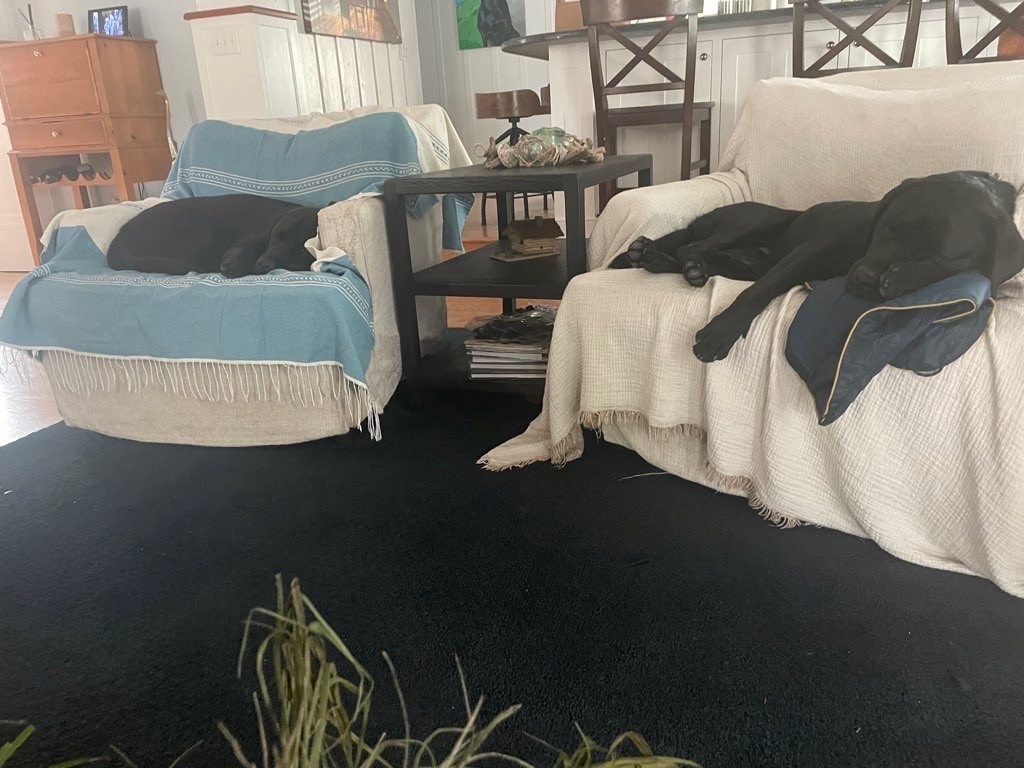
Our home-style overnight boarding rooms provide calm, anxiety-reducing environments where nervous dogs can rest peacefully.
Why Anxious Dogs Struggle in Traditional Kennels
Anxious dogs respond to environmental unpredictability with heightened stress. Kennel boarding introduces rotating caregivers, shared sleeping areas, irregular feeding schedules, and constant auditory input from other dogs. Each variable compounds. The dog doesn't settle because the environment never stabilizes.
Host-home boarding removes those layers. One handler. One sleeping area. Meals at the same time. Familiar cues the dog recognizes from home. The anxious dog stops scanning for threats because the setting stops changing.
How Host-Home Boarding Works in Pikesville
Pup Scouts matches anxious dogs to residential host homes across Pikesville based on the dog's specific profile. A dog triggered by other animals goes to a single-dog home. A dog sensitive to sudden movement stays in a quiet end unit off Park Heights Avenue. The match happens before booking, not at drop-off.
The certified Pack Leader handling the boarding receives the dog's routine documentation: meal times, sleep location preference, specific calming cues the owner uses at home. That routine transfers. The dog eats at 7am because the dog eats at 7am at home. The evening walk follows the same loop the dog knows from weeknight outings in the neighborhood.
🖼️ Inline photo: placeholder. Drag in a photo of a dog resting calmly in a residential living room from bunny.net.
What Happens During an Overnight Boarding Stay
Stage | What happens | Why it helps anxious dogs |
|---|---|---|
Pre-stay assessment | In-home meet with the Pack Leader who will handle the boarding | Dog meets the handler in their own space first, builds trust before transition |
First evening | Quiet arrival, immediate meal in the same bowl from home, structured settle period | Mirrors home routine; anxious dog gets predictable cues instead of novel stimuli |
Overnight | Dog sleeps in designated quiet area, same location each night | Consistent sleep environment reduces nighttime restlessness common in kennel settings |
Morning routine | Meal, short walk on familiar neighborhood streets, mid-morning rest period | Replicates the dog's typical weekday structure |
Owner updates | Daily photo + text check-in, report on meals/sleep/behavior | Reduces owner anxiety, which anxious dogs detect during reunions |
The table shows structure, but the real work is in repetition. A three-night boarding stay uses the same schedule all three nights. Anxious dogs stop anticipating change because change stops happening.

A comfortable, quiet space helps anxious dogs feel secure and relaxed during their overnight stay.
Five Reasons Host-Home Boarding Calms Anxious Dogs
Short intro: Anxious dogs don't need more space. They need fewer variables. Host-home boarding in Pikesville delivers that through environmental control.
Single-handler consistency. The same Pack Leader feeds, walks, and settles the dog every time. Anxious dogs track who's in charge. When that person stays constant, vigilance drops. Kennel staff rotates shifts. Host homes don't.
Controlled sound environment. Residential Pikesville homes don't echo. No kennel rows of barking dogs amplifying each other. The anxious dog hears street noise it already knows, cars on Reisterstown Road, neighbor conversations, not unpredictable animal distress calls.
Predictable spatial boundaries. The dog learns the layout once: kitchen for meals, living room for rest, back door for potty breaks. Kennel facilities shift dogs between runs and play yards. Anxious dogs don't generalize well. A space that doesn't change works better.
Routine replication from home. The Pack Leader follows the owner's documented schedule. If the dog eats from a slow-feed bowl at home, the slow-feed bowl comes to boarding. If the dog settles better with a specific blanket, that blanket transfers. Kennel boarding uses house equipment. Host-home boarding uses the dog's equipment.
Absence of competing dogs in shared spaces. Single-dog placements mean the anxious dog never negotiates territory. No resource guarding over toys. No stress from unfamiliar dogs invading personal space during rest periods. The dog gets the whole environment, not a rotating slot in it.
🖼️ Inline photo: placeholder. Drag in a photo of a dog on a quiet Pikesville residential street from bunny.net.
Why Pikesville Works for This Model
Pikesville's residential density supports host-home boarding without requiring long transport. Most placements sit within a two-mile radius of the owner's home. The dog rides five minutes, not thirty. Shorter transitions mean less pre-boarding stress.
Neighborhood walkability matters too. Anxious dogs benefit from structured outdoor time, but not from overstimulation. Pikesville's tree-lined side streets off Park Heights provide low-traffic walking routes where the dog encounters predictable stimuli: other leashed dogs at a distance, familiar residential sounds, consistent sidewalk conditions. The environment reinforces calm instead of triggering reactive responses.
We've placed anxious dogs in host homes along Old Court Road, Clarks Lane, and Greenspring Avenue. Each location selected for low ambient noise and residential stability. The dogs return to those same homes for repeat stays. Familiarity compounds.
From Hyper-Vigilance to Settled Rest
Anxious dogs arrive at boarding hyper-alert. Pupils dilated. Ears tracking every sound. Body tense. That's expected. The question is whether the environment lets the dog down-regulate or keeps the stress elevated.
Host-home boarding in Pikesville builds the conditions for down-regulation. Day one: the dog scans constantly. Day two: scanning decreases. Meals get finished. Rest periods lengthen. By day three, the dog settles into the routine because the routine has proven safe. That progression doesn't happen in kennels where variables reset with every shift change.
Owners picking up their dogs notice the difference. The dog walks out calm, not frantic. Reunions stay controlled. That outcome starts with placement: the right home, the right handler, the right structure from night one.
Frequently Asked Questions
How do you match an anxious dog to the right host home?
We assess the dog's specific triggers during the pre-stay in-home visit. A dog anxious around other animals goes to a single-dog household. A dog triggered by sudden movement or loud sounds gets placed in a quiet residential setting away from high-traffic streets. The Pack Leader assigned to the boarding already knows the dog's routine and calming cues before the first overnight.
What happens if my anxious dog refuses to eat during boarding?
The Pack Leader follows the dog's documented meal routine exactly, same bowl, same food, same timing. If the dog still refuses the first meal, we offer smaller portions throughout the day instead of forcing scheduled feeding. Most anxious dogs eat by the second day once they recognize the routine isn't changing. Owners receive same-day updates if meal refusal continues past 24 hours.
Can I bring my dog's crate or bed to the host home?
Yes. We encourage it. Anxious dogs settle faster when their primary rest surface transfers with them. The Pack Leader sets up the crate or bed in the designated sleeping area before the dog arrives, so the familiar item is already in place during the first walk-through.
How does overnight boarding differ from daycare for anxious dogs?
Daycare requires the dog to navigate group dynamics and high-energy play environments, both stressors for anxious dogs. Overnight boarding in a host home removes those variables. The dog gets a controlled, quiet setting with a single handler and no competing animals. Routines stay predictable across multiple days instead of resetting each morning.
Do you accept dogs with separation anxiety for overnight boarding?
We do, with specific protocol adjustments. Dogs with separation anxiety receive graduated alone-time during the stay, starting with five-minute intervals and building as the dog demonstrates calm behavior. The Pack Leader uses the same separation cues the owner provides. Severe cases may require an initial shorter boarding period (one or two nights) to assess the dog's response before committing to longer stays.
Written by Mike and Colleen Bass, founders of Pup Scouts. Mike and Colleen have led structured dog care across Maryland, Orange County, and Charlotte since 2015. More about our team.
Get started with MD Pup Scouts, or call (410) 980-7855. Find us on Google as MD Pup Scouts.
Similar Blogs


