Dog Training in Elizabeth for Multi-Dog Households
Mike and Colleen Bass
Dog Training

Key Takeaways
Multi-dog training in Elizabeth starts with individual skill-building before layering in group dynamics, preventing reinforcement of unwanted behaviors across the pack.
Coordinated leash work on Elizabeth's narrow sidewalks requires staggered positioning and threshold control to avoid tangling and reactive escalation.
Household harmony improves when each dog earns attention through calm behavior rather than competing for space at doorways, feeding stations, or during greetings.
Two dogs bolt for the front door. One barks. The other spins. A third joins from the hallway. The delivery driver hasn't even knocked yet. This is the Elizabeth multi-dog household pattern: one dog reacts, the rest amplify. The single-dog strategies that worked before adding a second or third dog don't scale. Leash walks turn into tangle management. Doorbell drills become chaos rehearsals. What worked for one becomes a three-way competition for attention, space, and your focus.
Elizabeth's walkable density makes this harder. Narrow sidewalks on East 7th Street. Close neighbor proximity. Frequent pedestrian crossings near the light rail. Every walk is a coordination exercise. Inside the home, the dynamic mirrors the streets: tight quarters, high interaction frequency, limited alone time. Dog training in Elizabeth for multi-dog households starts with a different framework than single-dog work. We train each dog individually first, then layer in coordinated behavior. The pack doesn't learn together from the start. They learn separately, then sync.
Multi-Dog Training Defined
Dog training for multi-dog households is a staged approach that builds individual obedience before introducing group coordination. Each dog masters foundational skills in isolation to prevent behavioral cross-contamination, then progresses to paired work and finally full-pack synchronization. This method prevents the common failure mode where one dog's excitement or anxiety triggers identical responses in housemates.
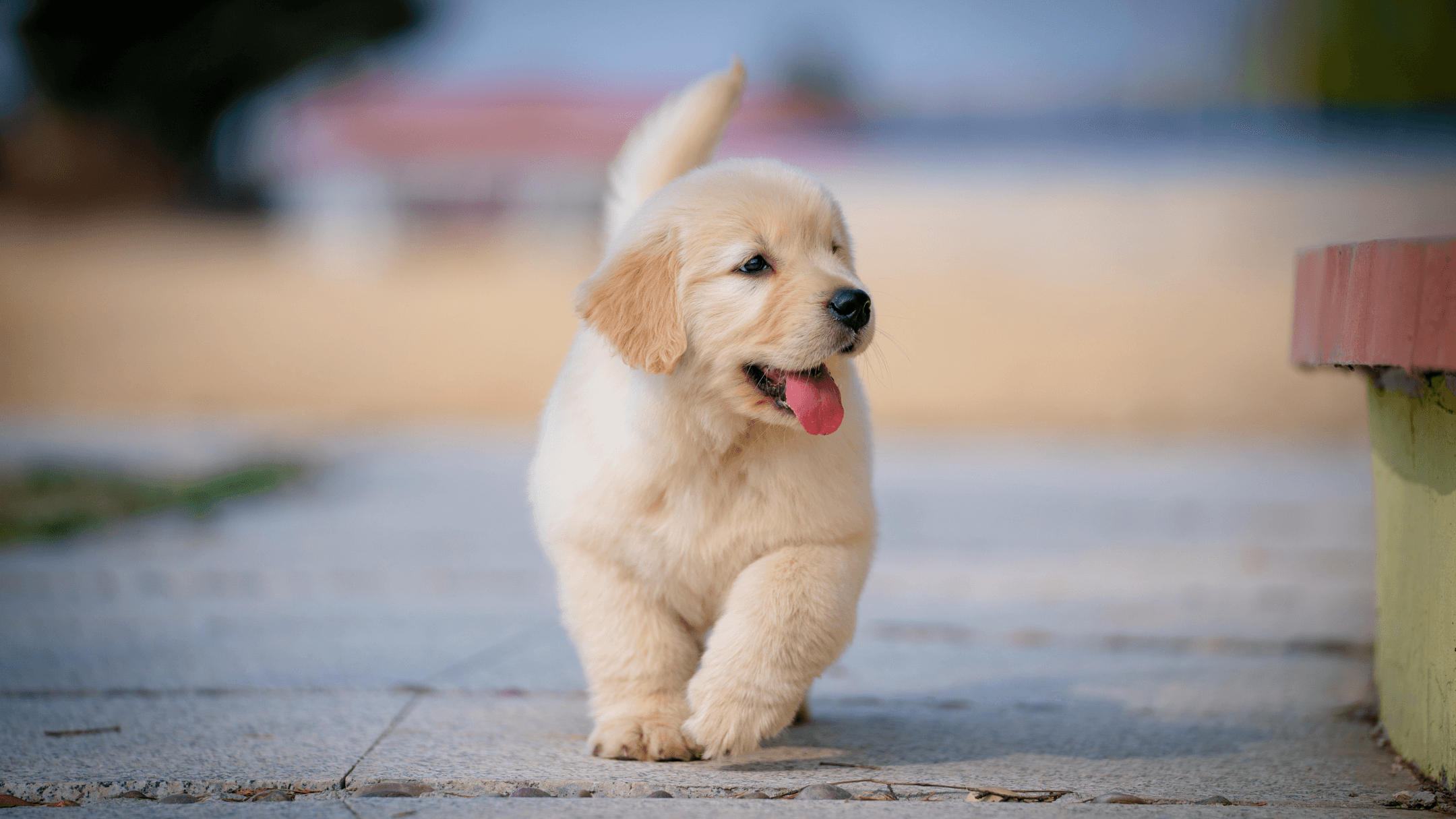
Even the most eager pups need proper guidance, which is why training multiple dogs together requires careful planning and expertise.
Why Training Multiple Dogs Together Fails First
The instinct is to train all dogs at once. It feels efficient. One session, all dogs, same lesson. This approach breaks down within two repetitions. The fast learner gets bored. The anxious dog feeds off the excited one. The senior dog checks out while the puppy bounces. Attention fragments. Behaviors blur. No dog gets the precision required to build a reliable skill.
Multi-dog dynamics amplify mistakes. One dog pulls on leash, the other matches the tension. One barks at a passing jogger, the rest join. One breaks a sit-stay, the pack follows. The behaviors reinforce laterally, dog to dog, faster than you can correct them. Training becomes crowd control instead of skill-building. Elizabeth's tight streetscape makes this worse. On 8th Street near Amelie's, there's no room to separate tangled leashes or redirect three competing focuses. The environment won't give you space to recover from a training breakdown.
We train each dog separately for the first four to six sessions. Individual work isolates the behavior chain. The dog learns the skill without watching a sibling shortcut it or a housemate ignore it. Once each dog demonstrates the behavior reliably alone, we introduce pairing: two dogs, controlled proximity, simplified environment. Only after paired success do we move to full-pack coordination.
The Elizabeth Street Test: Coordinated Leash Work
Elizabeth's sidewalks don't forgive sloppy group walks. Hawthorne Lane to Ideal Way is a half-mile stretch of uneven pavement, street-parked cars, and frequent pedestrian crossings. Walking three dogs here requires staggered positioning. Lead dog on your left, second dog slightly behind on your right, third dog left-rear if you're managing solo. This prevents crossing leashes and gives each dog a defined lane.
Threshold work starts at home. The front door is the first test. We teach a staggered release: one dog waits at threshold while the second crosses, then the third. No stampede. No competition. Each dog learns their position in the exit sequence. The same pattern applies at street corners. One dog sits and holds while you scan traffic. The others wait behind. Cross in sequence. This builds both safety and clarity: each dog knows when it's their turn to move.
Reactivity in one dog spreads fast in a multi-dog pack. A single bark at a passing dog on East 7th becomes a three-dog chorus in two seconds. We interrupt the chain before the second dog joins. The reactive dog gets a redirect. The others hold position. If one breaks, we reset all three. This prevents rehearsal of the group reaction. Over four to six weeks, the pack learns that staying neutral earns forward movement. Joining the reaction earns a full stop.
The Multi-Dog Progression Framework
Training a multi-dog household follows a staged build. Skipping steps creates gaps that show up under stress. Elizabeth's walkable density provides constant stress tests: delivery trucks, restaurant patios, kids on scooters, other dogs crossing Elizabeth Avenue. The framework holds under those conditions only if each stage is solid before progressing.
Individual foundation work. Each dog trains separately for sit, down, stay, recall, loose-leash walking. Sessions last 10 to 15 minutes. The dog works without observing or interacting with housemates. This isolates the behavior and removes social reinforcement.
Parallel work with separation. Two dogs work the same skill simultaneously in separate spaces. You're in the living room with Dog A. A family member is in the backyard with Dog B. Both dogs practice sit-stays at the same time but cannot see or influence each other. This introduces time-sharing without competition.
Paired proximity work. Two dogs work side-by-side under controlled conditions. Start with both on leash, six feet apart, working basic obedience. Gradually close the distance as both dogs hold focus. If one breaks, both reset. This teaches mutual accountability.
Full-pack synchronized movement. All dogs work together in real-world conditions: group walks through Elizabeth, threshold crossings, doorbell protocols, feeding-station waits. Each dog maintains their role. The pack moves as a coordinated unit, not a competing cluster.
Most households stall between stage two and three. Paired work feels harder than solo work, so they skip to full-pack attempts. The middle stage is the hinge. It teaches dogs to hold behavior while aware of a housemate's presence. Without it, full-pack work becomes managed chaos instead of synchronized calm.
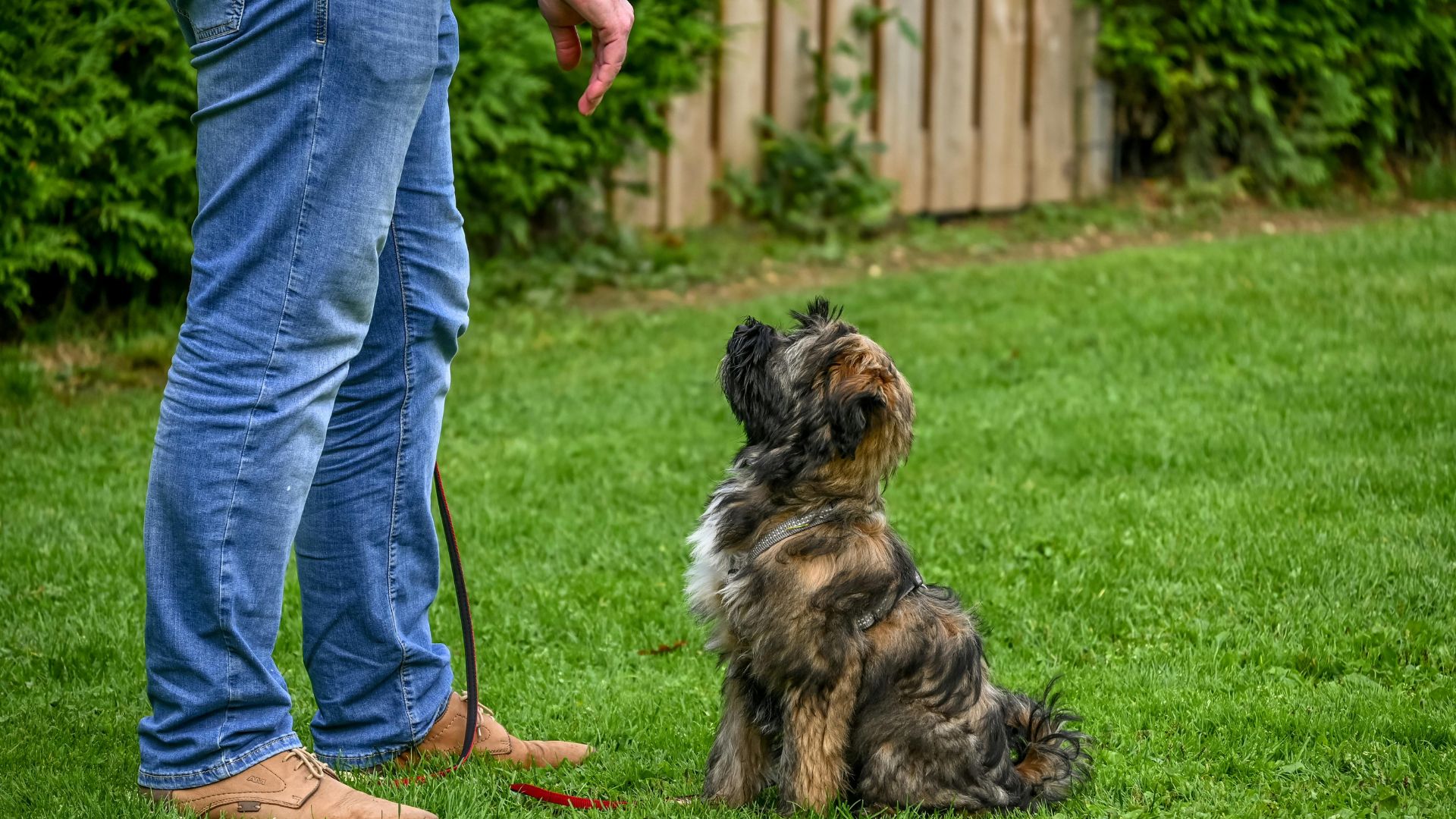
Building focus and responsiveness is the foundation for managing greetings and interactions in multi-dog homes.
Household Flashpoints: Doorways, Feeding, and Greetings
Three moments break multi-dog households: the doorbell, the food bowl, and the arrival greeting. Each creates a competition for resources, attention, or space. Elizabeth households face these moments multiple times daily. Delivery drivers ring the bell mid-morning. Neighbors stop by after work. The UPS truck parks on Pegram Street twice a week. Each event is a rehearsal. The question is whether the dogs rehearse calm or chaos.
Doorway protocol starts with physical separation. One dog goes to a designated station (crate, mat, or marked spot in another room). The second waits at a threshold six feet back from the door. The third holds position behind the second. You answer the door. The dog at the back of the sequence earns release first if all three hold their stations. This inverts the impulse to rush forward. Calm positioning earns access. Pushing earns delay.
Feeding-station management prevents resource guarding and competition. Each dog eats in a separate space: different rooms, or crates, or designated corners with a visual barrier between bowls. No dog can see another dog's bowl. Meals happen simultaneously but in isolation. This removes the instinct to rush, guard, or monitor a housemate's pace. Once all dogs finish, bowls come up together. No lingering dishes to defend.
Arrival greetings are the hardest flashpoint to control. You walk in after work. Three dogs converge. The natural response is to greet all three at once, spreading attention thin. This rewards the competition. Instead, we teach a rotation: one dog earns a greeting while the others hold a sit-stay. Rotate through all three. The waiting dogs learn that calm holding earns their turn. Pushing forward delays it. Over two to three weeks, arrivals shift from a scrum to a sequence.
Multi-Dog Training vs Single-Dog Training: What Changes
Factor | Single-Dog Training | Multi-Dog Training |
|---|---|---|
Session structure | One continuous 20 to 30 min session | 3× individual 10 to 15 min sessions, staggered |
Behavior reinforcement | Direct handler-to-dog only | Lateral dog-to-dog requires active blocking |
Environment prep | Minimal; dog has full attention | Requires separation zones, visual barriers, staggered timing |
Progress timeline | 4 to 6 weeks to reliable obedience | 6 to 10 weeks; individual work + layered pairing + pack sync |
Biggest failure mode | Inconsistent handler follow-through | Training all dogs together from day one |
The timeline difference is the hardest adjustment for multi-dog households. Owners expect three dogs to learn at the same pace as one. The math doesn't work that way. Training time per dog doesn't decrease when you add more dogs. It increases, because you're also managing the inter-dog dynamic. A household with three dogs needs three times the individual session work, plus the pairing and synchronization stages. Elizabeth's high foot-traffic environment accelerates the need for this work but doesn't shorten the timeline.
From Competing Pack to Coordinated Household
The shift happens in small moments. Three dogs that used to barrel through the front door now wait in sequence. Two that tangled leashes on every walk now hold their lanes on Hawthorne. The senior dog that used to get bulldozed at the food bowl now eats undisturbed. These aren't dramatic transformations. They're the accumulation of staged, deliberate work done correctly.
Elizabeth's density rewards this work faster than spread-out suburbs do. The tight streets, frequent interactions, and constant environmental variability force the training to hold under real conditions. A dog that can maintain loose-leash position on East 7th during evening restaurant foot traffic will hold it anywhere. The neighborhood itself becomes the final exam. The multi-dog household that can navigate Elizabeth's blocks calmly has built a skillset that transfers to any environment.
The framework works because it respects the pack dynamic instead of fighting it. Dogs influence each other. That's not a bug. It's the core of how they learn socially. Multi-dog training redirects that influence. Instead of amplifying each other's reactivity, they model each other's calm. Instead of competing for your attention, they take turns earning it. The pack becomes a training asset, not an obstacle.
Frequently Asked Questions
How long does it take to train multiple dogs to walk calmly together in Elizabeth?
Most households see coordinated group walks within eight to ten weeks of starting individual foundation work. The first four weeks focus on solo skill-building per dog. Weeks five through seven introduce paired proximity work. Weeks eight onward layer in full-pack movement on Elizabeth's streets. Progress depends on each dog's starting skill level and the household's consistency with session timing.
Can I train my dogs together from the start if they're already well-behaved individually?
Even well-behaved individual dogs benefit from separate skill reinforcement before group work. The multi-dog dynamic introduces competition, distraction, and lateral reinforcement that doesn't exist in solo training. Starting with individual sessions prevents behavioral bleed between dogs and ensures each dog learns the skill independently before coordinating with housemates.
What's the best way to manage leash tangling with multiple dogs on Elizabeth's narrow sidewalks?
Staggered positioning prevents most tangles. Lead dog on your left, second dog right-rear, third dog left-rear if you're walking solo. Each dog learns to hold their lane. At crossings and narrow points, teach a single-file stack: dogs line up behind you rather than fanning wide. Threshold work at home builds this habit before applying it on Elizabeth Avenue or Hawthorne.
Do all three dogs need to master every skill before moving to group training?
Yes. If one dog is reliable on recall but shaky on loose-leash walking, the group work will expose that gap. The weakest skill across the pack sets the ceiling for coordinated movement. Each dog should demonstrate reliable individual performance on all foundation skills before pairing begins.
How do I prevent one dog from distracting the others during training sessions?
Physical separation during individual sessions is the primary tool. One dog trains in the living room while the others wait in crates, a separate room, or the backyard. Rotate through all dogs in a single evening rather than clustering sessions on different days. This keeps training momentum high and prevents any dog from falling behind while waiting for their turn.
Written by Mike and Colleen Bass, founders of Pup Scouts. Mike and Colleen have led structured dog care across Maryland, Orange County, and Charlotte since 2015. More about our team.
Get started with CLT Pup Scouts, or call (704) 330-3089. Find us on Google as Pup Scouts CLT.
Similar Blogs


